Staged & Sequenced
We move in phases by workload, site, or department so the environment stays usable while the work is happening — not a high-risk all-at-once cutover.
Loading…
Move data, applications, and infrastructure in controlled stages — with clear scope, realistic sequencing, and a rollback plan — so the project never turns into an avoidable outage.
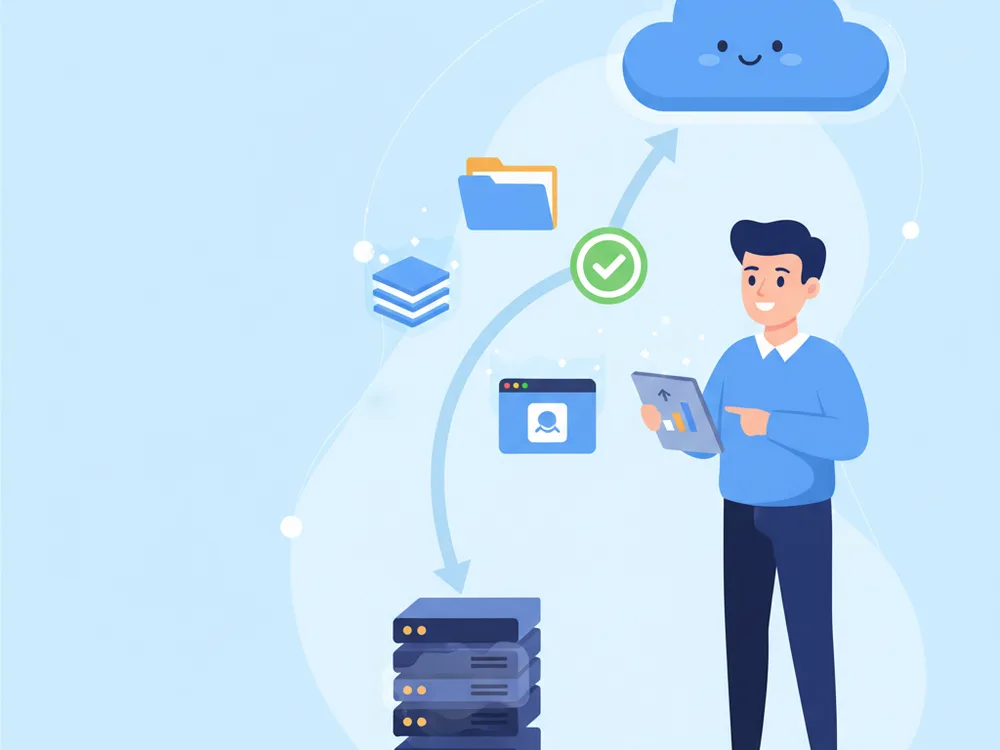
Clients come to us because they want a controlled move, not a rushed one. The biggest migration problems usually start before the cutover — in discovery, ownership, and testing.
We move in phases by workload, site, or department so the environment stays usable while the work is happening — not a high-risk all-at-once cutover.
Current-state assessment and dependency mapping up front, so unknown application, storage, and identity dependencies surface before users are affected.
Testing, staged cutovers, and rollback preparation built into the plan, so a problem during the move is recoverable instead of a crisis.
A successful migration is more than copying data into a new platform. It requires planning around access, security, licensing, performance, and rollback.
Current-state discovery of applications, storage, and identity dependencies before anything moves.
A plan sequenced by workload, site, or department, built around how the business actually operates.
Shared access and permissions mapped and corrected so they carry over cleanly, not chaotically.
File and data migration with validation, so what arrives matches what left.
User communication and supported cutover windows that keep finance, operations, and client-facing teams working.
Cleanup, optimization, and documentation after the move, plus a support model that makes sense once the project ends.
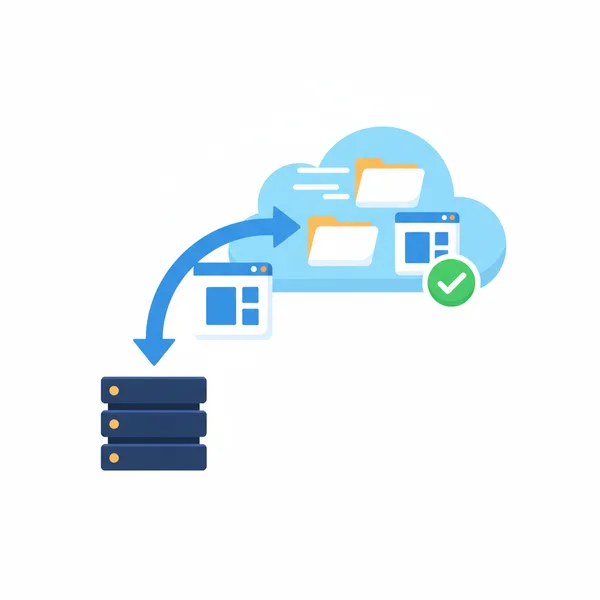
Cloud migration services help businesses move data, applications, and infrastructure without turning the project into an avoidable outage. RNITS plans and executes migrations with a clear scope, realistic sequencing, and close attention to business continuity.
Some migrations are simple. Many are not. Legacy file shares, identity dependencies, line-of-business apps, and user habits all affect the outcome. We move in stages so the environment stays usable while the work is happening.
The biggest migration problems usually start before the cutover. Incomplete discovery, unclear ownership, rushed timelines, and weak testing create issues that only surface after users are already affected — unknown dependencies, poorly mapped permissions, no rollback plan, and post-migration performance gaps.
We build migration plans around business operations: what should move first, what should stay put for now, and how to avoid disrupting finance, operations, production, or client-facing teams. That work connects naturally with cloud infrastructure management, hybrid cloud solutions, cloud backup solutions, and Microsoft 365 managed services.
A good migration gives you a cleaner environment, better documentation, and a support model that makes sense after the project ends. That matters most for regulated businesses that cannot afford sloppy permissions, missing records, or extended downtime.
If you are planning a cloud migration, we can help you map the work, reduce risk, and move with more confidence — controlled, documented, and aligned with how your business actually runs.
Controlled, documented, and aligned with how the business actually operates.
Current-state assessment and dependency mapping to understand what moves, what stays, and what is connected.
A staged plan deciding what moves first, what stays put for now, and how to avoid disrupting core teams.
Data transfer with validation, supported cutovers, and rollback preparation in case something needs to be reversed.
Post-migration cleanup, optimization, documentation, and a clear support model going forward.
We support data, file server, collaboration platform, Microsoft 365, and hybrid infrastructure migrations, scoped to what your business actually runs.
Yes. Phased migration is often the safest option for businesses that cannot tolerate major disruption, and it is usually how we structure the work.
Yes. We help with validation, cleanup, user support, and ongoing administration after the move, so you are not left to figure out the new environment alone.
We use discovery, testing, staged cutovers, and rollback preparation to keep disruption as low as possible and recoverable if something goes wrong.
Protect critical data with policy-driven cloud backup solutions. RNITS ensures availability, regulatory alignment, and fast recovery for your organization.
Optimize cloud performance and costs with structured infrastructure management. RNITS delivers visibility, governance, and scalability across cloud platforms.
Combine on-premises and cloud infrastructure for flexibility and control. RNITS architects hybrid cloud environments optimized for performance and cost.
Keep Gmail, Drive, and Google Workspace running securely and efficiently. RNITS manages administration, security policies, and user lifecycle at scale.
Maximize Microsoft 365 security, governance, and performance. RNITS provides structured managed services across Exchange, Teams, SharePoint, and Entra ID.
Every MSP blog says break-fix is dead. It isn't. Here's an honest walkthrough of MSP pricing models, the real cost math, and who each one actually fits.
Microsoft is retiring SharePoint one-time passcodes through November 2026. Older links to clients and vendors will start failing. Here is the 30-minute fix.
Survey headlines say 63% of small businesses use AI. Census data says 17%. Claude, ChatGPT, and Copilot all shipped small business tools in 2026 — here's how to choose.
Onsite support within 150 miles of our offices in Tyngsboro, MA & the Richmond, VA area. Georgia & Florida and our other national markets are served remotely by the same team, on the same plans.
New Hampshire
Massachusetts
Virginia
Georgia
Florida
If you are comparing providers or planning your next step, RNITS can help you sort out the work and the order it should happen in — zero obligation.